Octopus Bet NFL: The Eight-Point Side Bet Explained
 Available in US
I’ll never forget explaining the octopus to a friend who was convinced I’d made the name up to wind her up. “So you’re telling me there’s a bet called the octopus, and it’s about one player scoring eight points, and eight is the number of legs an octopus has?” Yes. That’s exactly it. The octopus is the most charmingly nerdy bet in the NFL, and behind the silly name sits a genuinely interesting lesson in how rare events get priced.
An octopus is a side bet on a single player both scoring a touchdown and then successfully running or catching the subsequent two-point conversion, giving them eight points on one possession, hence the eight legs. It’s a wonderfully specific, wonderfully unlikely market that’s grown from an in-joke into a real betting line, especially around the Super Bowl. Understanding exactly what counts, and crucially what doesn’t, is the difference between a clever flutter and a misunderstood loss.
Explore nfl side bets for unique NFL prop markets.
What counts as an octopus
The most important thing about the octopus is the part that catches everyone out: the same player has to do both jobs, and a quarterback throwing the touchdown does not count. This single rule is where most octopus bets are lost before the play even happens, simply through misunderstanding.
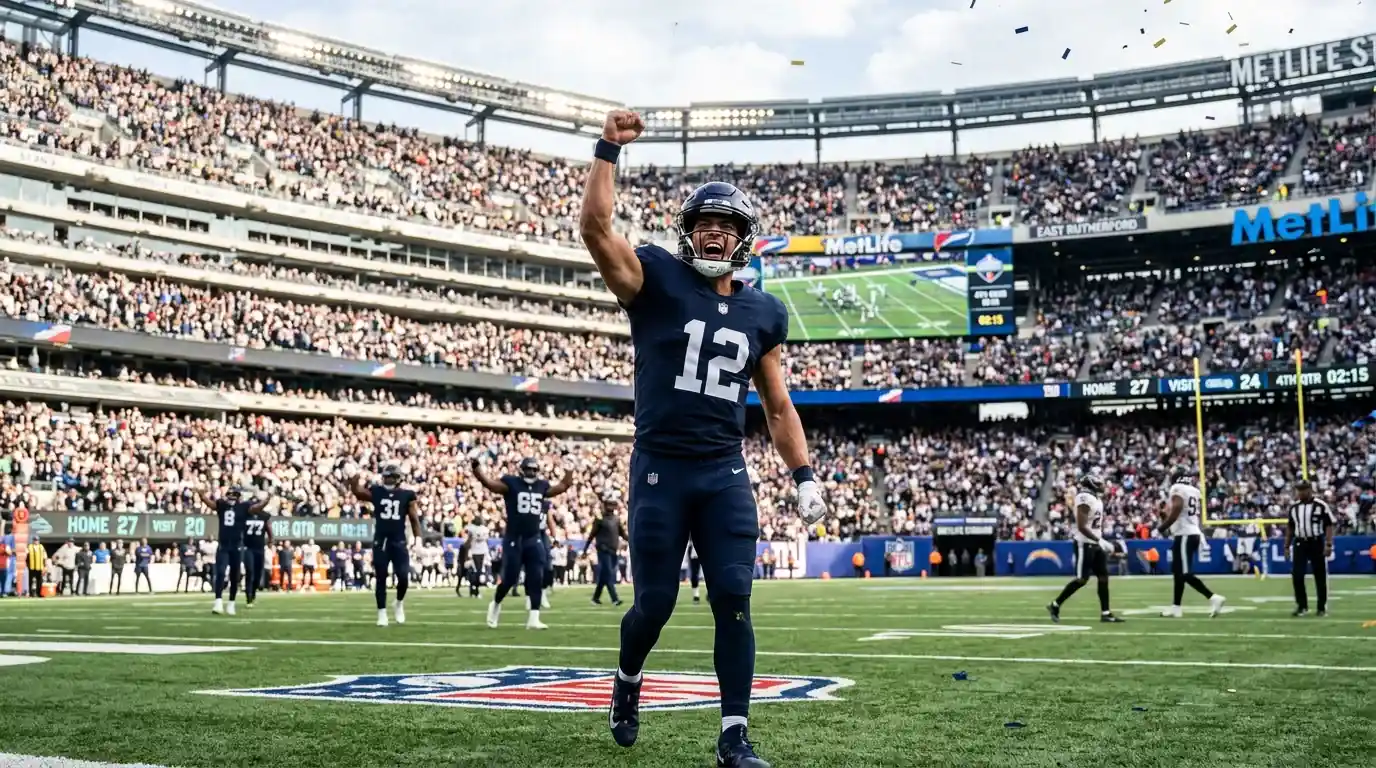
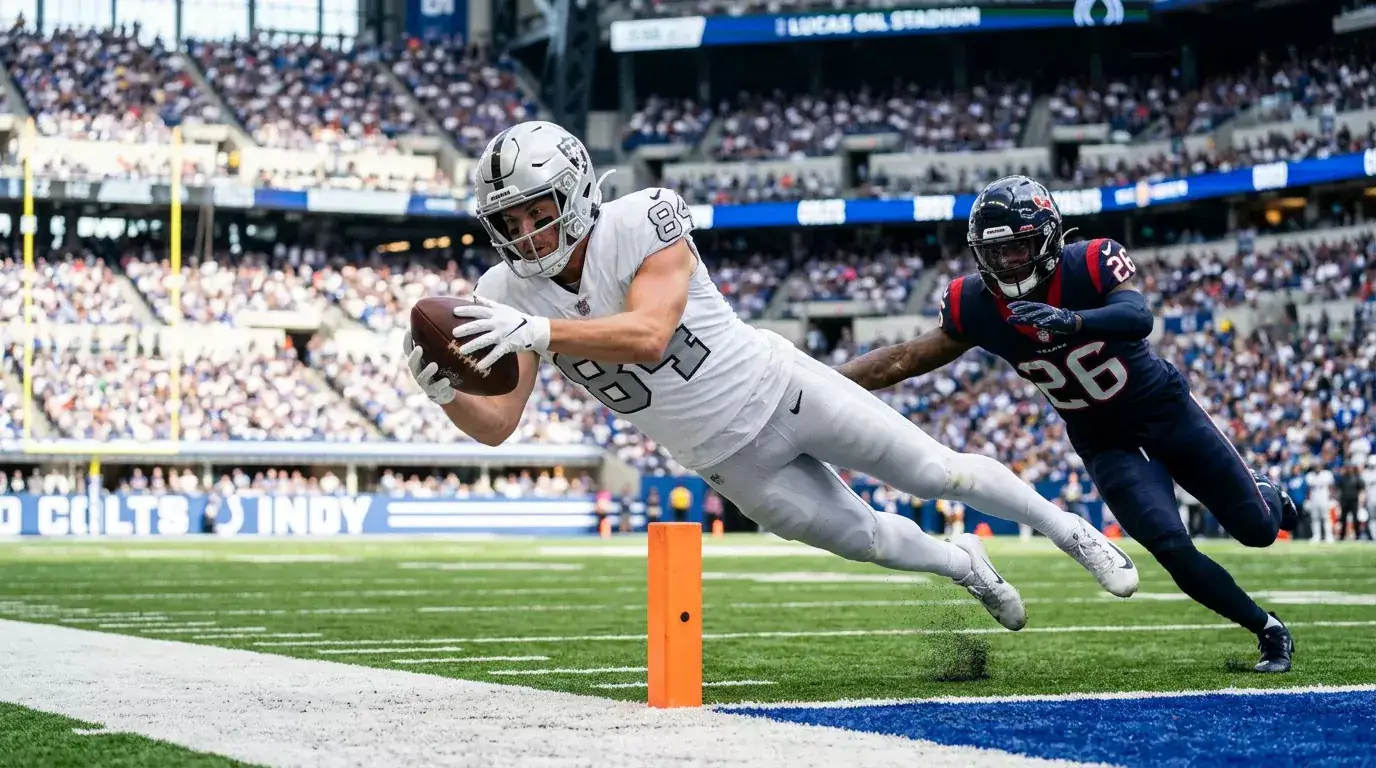
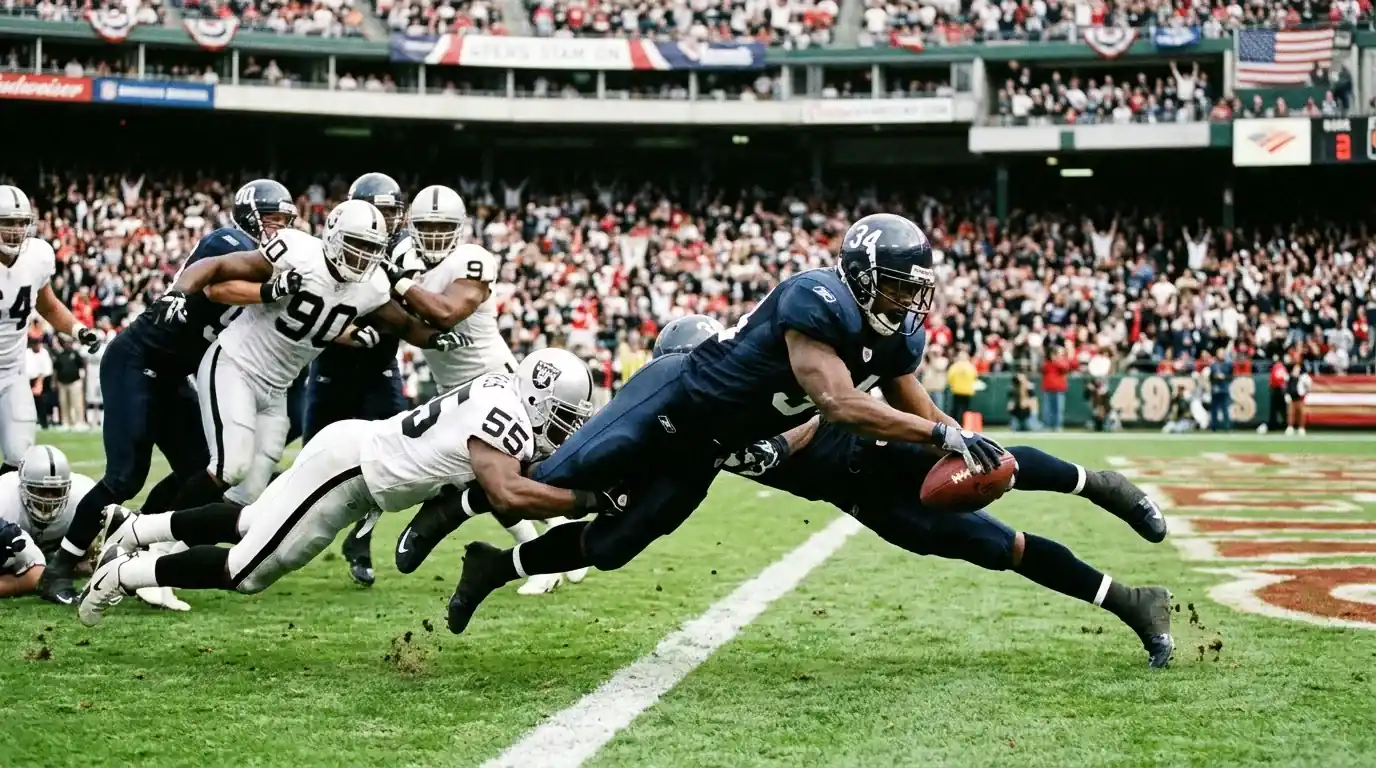
For the bet to win, one player must personally score the six-point touchdown, by running it in or catching it, and then personally score the two-point conversion that follows, again by run or catch. The eight points must come from the same set of hands and feet. This is why a quarterback who throws a touchdown pass and then throws the conversion has not produced an octopus, because he scored none of the points himself, he distributed them. The octopus belongs to the player who crosses the line, not the player who delivers the ball, and that distinction is the entire trap. A running back who scores the touchdown and then takes the conversion in himself, that’s your octopus. A receiver who catches both, also an octopus. A quarterback involved in both, almost never, unless he’s the one running it in on both plays.
The rarity is baked into the structure of the game itself. Most touchdowns are followed by the routine extra-point kick, not a two-point try, because going for two is a calculated gamble teams reserve for specific game situations. So the octopus requires first the touchdown, then the coach choosing to go for two, then the same scorer being the one to convert it, a chain of conditions that rarely all line up. For context on how scoring tends to play out, consider that around 40 percent of first touchdowns in the Super Bowl come through the air on passing plays, which tells you how often the actual scorer is a receiver rather than a runner, and feeds into which players are even candidates for the octopus in the first place.
Octopus odds and rarity
The octopus is priced as a longshot because it genuinely is one, and the long odds are honest rather than a trap, which is rarer than you’d think on the prop board. When a bookmaker offers a big price on an octopus, they’re reflecting a real, low probability rather than dressing up a coin flip.
To see why the price is so long, stack the conditions. A specific player has to score a touchdown, which is itself a prop-length proposition. Then the team has to go for two rather than kick, a decision driven by score and time that’s far from guaranteed in any given game. Then that same player, not a teammate, has to be the one who converts. Each link in that chain shrinks the probability, and multiplying small probabilities together produces a very small number indeed, which is why octopus odds run long. This is compound rarity in action, and it’s a useful illustration of how derivative, multi-condition props get priced across the board.
The octopus only really surfaces as a standalone market on the biggest games, because that’s where bookmakers bother to price the exotic stuff. A typical Super Bowl carries well over 400 distinct prop markets, and the octopus is one of the gloriously niche entries that only makes commercial sense when the betting volume is enormous. On a regular-season Tuesday, no book is pricing octopus markets, there’s no demand. On Super Bowl Sunday, with the whole world betting, the octopus earns its place on the board precisely because the carnival of props is large enough to include it.
There’s a subtlety in how the price moves that’s worth knowing too. Because the octopus depends on a coach’s in-game decision to go for two, its true probability shifts with the expected shape of the contest, and a sharp bookmaker bakes that into the opening number. A game projected to be a close, high-pressure affair, where teams chase points aggressively late, carries a marginally higher chance of two-point attempts than a projected blowout where the leader simply kicks and runs the clock. You’ll rarely see the octopus line move much before kick-off, because almost nobody is betting enough volume on it to shift the price, but the opening number itself encodes the bookmaker’s read on how willing the coaches are likely to be to gamble for two. That’s a level of detail most punters never consider, and it’s the kind of thing that separates someone who understands the market from someone who just likes the name. If the touchdown-scoring side of this appeals to you more than the eight-point exotica, the foundational market is covered in depth in the guide to NFL touchdown scorer betting, where anytime and first scorer props are the bread and butter.
The most delightful longshot on the board
The octopus is everything I love about prop betting distilled into one daft, precise market. It rewards you for understanding the rules deeply, it punishes the careless who don’t realise a thrown touchdown doesn’t count, and it carries an honest long price for an honestly rare event.
Explore more scoring props in our NFL touchdown scorer betting guide.
If you’re going to bet it, bet it knowing exactly what you need, the same player scoring six and then converting two, on a play the coach actually chooses to go for. Pick a goal-line back or a featured receiver on a team likely to find itself in two-point situations, accept that you’ll lose this bet far more often than you win it, and treat the occasional hit as the gleeful payoff for understanding a market most punters don’t. The octopus won’t make you money over time, no longshot novelty will, but landing one is one of the great small joys of Super Bowl betting, a reward for knowing the game and its rules better than the person next to you.
No. The octopus requires the same player to score both the touchdown and the two-point conversion personally. A quarterback who throws the touchdown pass has not scored it himself, so even if he then runs in the conversion, the eight points did not all come from him. The bet only wins when one player both scores the six-point touchdown by run or catch and then converts the two himself. Very rarely, which is why it carries such long odds. It requires a player to score a touchdown, the coach to choose a two-point try rather than the routine kick, and that same player to be the one who converts it. Each condition is uncommon on its own, and multiplying them together makes the combined event genuinely rare, especially in any single game you happen to be betting.Does a quarterback throwing a TD then running the conversion count as an octopus?
How often does an octopus actually happen in the NFL?
Created by the ”nfl Side Bets” editorial team.