NFL Over/Under Totals: Betting the Points, Not the Winner
 Available in US
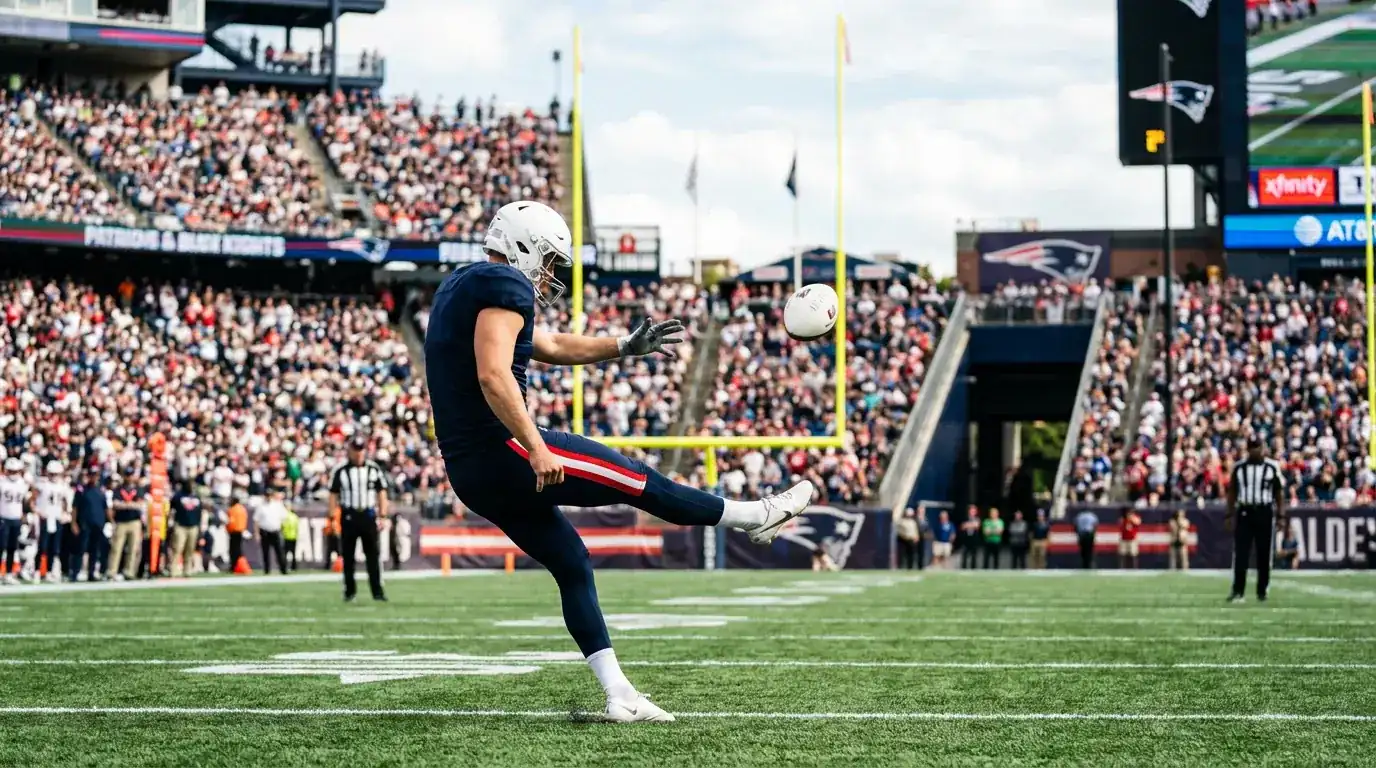
The first time totals betting properly clicked for me, I was watching a game I had no rooting interest in whatsoever and found myself genuinely thrilled by a meaningless late field goal. I’d backed the over, the kick pushed the combined score past my line, and I realised I’d just enjoyed a game where I didn’t care who won at all. That’s the quiet magic of the totals market. It detaches your interest from the result and pins it to the points.
A total, or over/under, is a bet on the combined points both teams score in a game, with no regard for who wins. The bookmaker posts a number, you decide whether the real total will go over it or stay under, and that single number becomes the spine of the entire side-bet board, because so many other markets bend around it. Once you see how the total radiates outward, you start reading the whole game differently.
See also: nfl side bets for NFL totals analysis.
How totals work
Let me kill the most common beginner mistake right away: a total has nothing to do with the margin. You can back the over and have your team lose by 30, and you’ll still collect if enough points were scored. The winner is irrelevant. Only the combined scoreboard matters.
The bookmaker sets a line, say 47.5 points, and prices both sides close to even money. If the two teams combine for 48 or more, the over wins. 47 or fewer, the under wins. The half-point does the same job it does on the handicap, it removes the possibility of landing exactly on the number, so there’s a clear winner every time. When the line is a whole number, a final total that lands dead on it produces a push and your stake comes back.
Where does the number come from? The oddsmaker is forecasting how the game will be played, blending each offence’s scoring rate, each defence’s resistance, the expected pace, the weather, and a dozen other inputs into a single projection. A total isn’t a guess about a final score, it’s a model of game flow compressed into one figure. That’s why two evenly matched teams can carry wildly different totals depending on whether they grind the clock or trade blows.
Team totals
My favourite underused angle in the whole market is the team total, and almost no beginner touches it. Instead of the combined score, a team total is the points scored by one side alone, and it lets you express a much more specific opinion than the full-game line ever could.
Say you’re convinced one offence is going to struggle badly but you’ve no idea what the other team will do. Backing the under on the full game is a coin flip, because the opponent might run riot. Backing the under on the struggling team’s individual total isolates exactly the thing you believe, and ignores the noise from the other side. That precision is the point. Team totals carve the game into halves and let you bet the half you actually have a read on.
The growing UK appetite for this kind of granularity tracks the broader rise of the sport here. The 2025 International Games drew an average of 6.2 million viewers across TV and digital, a record for the series, and audiences that engaged are exactly the ones who graduate from “who wins” to “how does this specific offence perform.” Team totals are the natural next step for a fan who’s started watching the way the game is played rather than just the final score, and they pair neatly with player props, because a team you expect to score heavily is a team whose individual players are likely clearing their own lines too.
Totals and game script
Here’s the concept that turned me from a casual totals bettor into a disciplined one: game script. It’s the single most important idea in this market, and it explains why your bet can be won or lost long before the final whistle by the simple shape of how a game unfolds.
Game script is the narrative arc of the contest, who’s leading, by how much, and what that forces both teams to do. A team that races to a big early lead will often start running the ball to drain the clock, which slows scoring and quietly strangles an over. A team that falls badly behind throws on every down, racking up yards and points in garbage time, which can rescue an over that looked dead at half-time. The total you backed lives or dies on which of these scripts plays out.
This is why the total is the spine of the side-bet board rather than just one market among many. The projected game flow that sets the total also sets the expectations for passing yards, rushing attempts, receptions, and touchdowns, because all of those are downstream of how many plays each team runs and in what direction. A high total implies a fast, pass-heavy script, which lifts receiver and quarterback lines. A low total implies a grind, which favours rushing volume and suppresses big passing numbers. Read the total correctly and you’ve effectively read the menu for half the player props on offer.
The market rewarding this kind of thinking is expanding fast. Global betting on American football is forecast to grow from around 8.52 billion dollars in 2025 towards 9.5 billion in 2026, and that growth is concentrated in exactly these derivative and game-flow markets rather than the plain result. The more sophisticated the board becomes, the more value sits with punters who understand that the total isn’t an isolated bet, it’s a forecast that ripples into everything else. If you want to turn that ripple into a repeatable approach, the discipline of hunting for the resulting mispricings is covered in detail in the guide to finding value across the side-bet markets.
Reading the points instead of the result
Totals betting asks you to do something slightly unnatural for a sports fan: stop caring who wins. Once you make that mental switch, a whole second layer of the game opens up. Every drive, every clock decision, every garbage-time score becomes relevant to you, and you’ll find yourself gripped by games whose outcomes are settled.
The skill that separates good totals bettors from lucky ones is reading game script before kick-off, anticipating which team’s tempo and lead are likely to dictate the flow, and recognising that the line is a forecast you can disagree with. Get that right and the over/under stops being a coin flip and becomes the most informative single number on the entire board, the one figure that tells you how the rest of the markets are likely to settle.
Combine totals with live in-play NFL props as the game unfolds.
Game script is how the game unfolds in terms of who leads and what that forces each team to do. A team with a big lead tends to run the clock down, slowing scoring and helping the under, while a team trailing badly throws constantly and piles up late points, helping the over. Because the total depends on pace and play-calling rather than just talent, anticipating the likely script is often more useful than predicting the winner. A team total covers the points scored by one side only, while the full-game total combines both teams. Team totals let you bet a specific opinion, such as one offence struggling, without your stake depending on what the other team does. They are especially handy when you have a strong read on one side of the matchup but no clear view on the other.What does game script mean for an over/under bet?
How do team totals differ from the full-game total?
Published by the nfl Side Bets team.