Quarterback Passing Yardage Props
 Available in US
I once watched a quarterback throw for 280 yards in a game I’d backed the under on at a line of 274.5, and spent the entire fourth quarter willing his receivers to drop the ball. They didn’t, I lost by six yards, and I learned a lesson that’s stuck with me: passing props are decided in the margins, and a line you set carelessly will punish you to the half-yard. This is a market of fine distinctions, and it rewards the bettor who respects them.
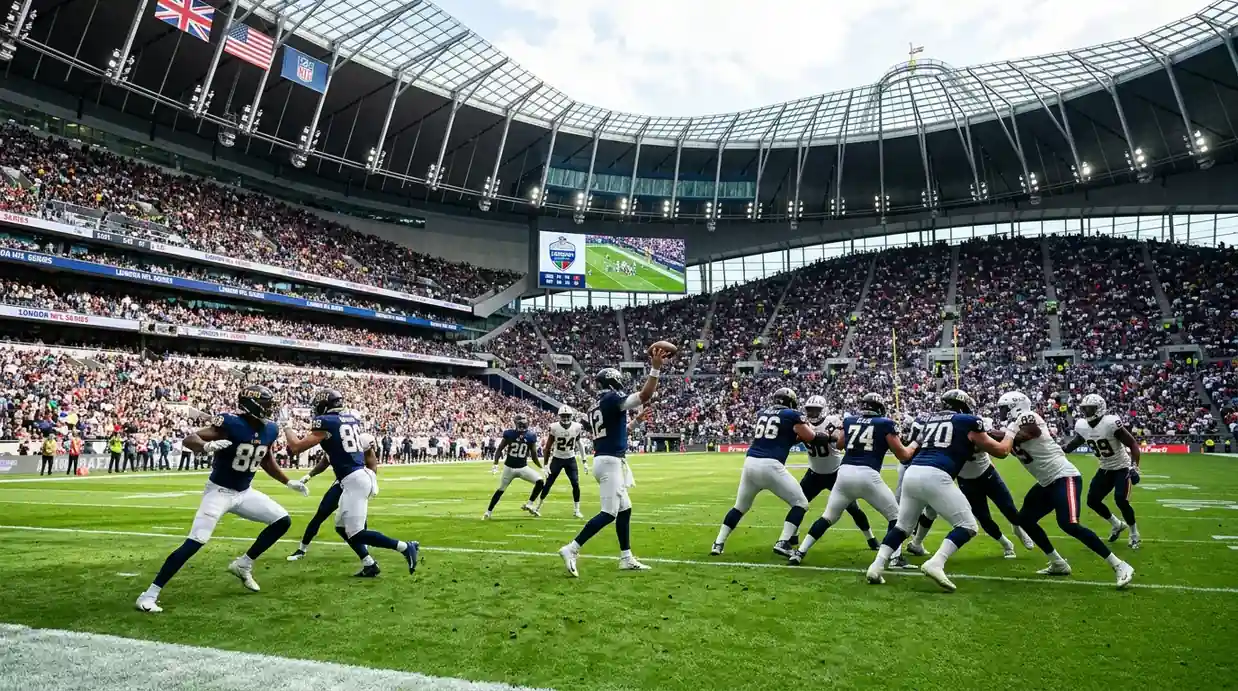
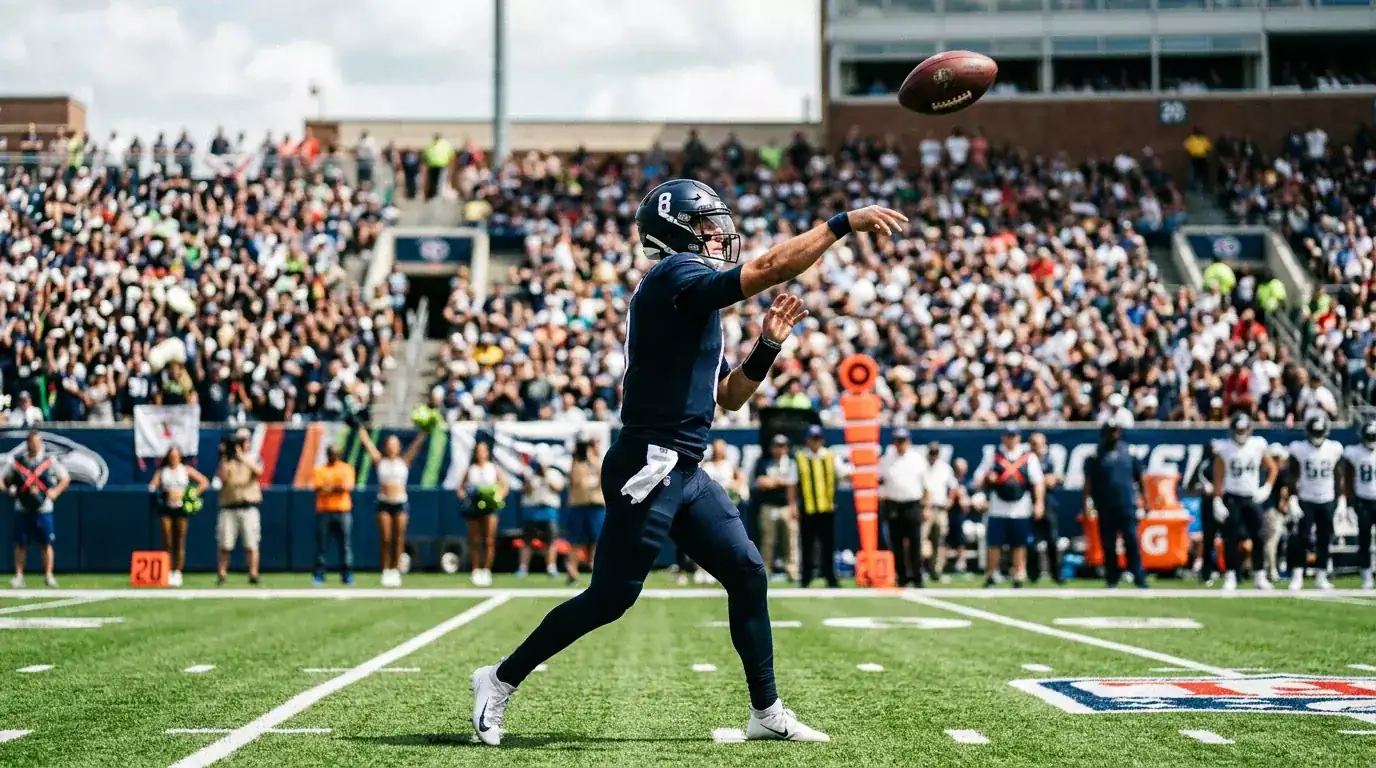
Quarterback passing yardage props are an over/under on how many yards a quarterback will throw for in a single game. The bookmaker posts a line, and you back the quarterback to exceed it or fall short. It’s one of the most popular player props in the NFL because passing is the engine of the modern game, and it sits at the more analytical end of the side-bet spectrum, a market where studying the matchup genuinely pays off. Unlike a touchdown scorer bet, which can hinge on one lucky bounce, passing yards accumulate across dozens of plays, which makes them more predictable and more rewarding to research.
See also: nfl side bets for all NFL yardage markets.
How the passing line is set
The number the bookmaker hangs on a quarterback is the most information-dense thing in this market, a single figure that bakes in form, matchup, and game expectation all at once. Learning to read what’s behind the line is the foundation of betting it well.
A passing line reflects the quarterback’s recent volume and efficiency, the strength of the opposing pass defence, the expected game flow, and the weather, all condensed into one number, often set somewhere in the two-hundreds for a typical starter and higher for the league’s most prolific arms. The half-yard on the end exists to eliminate the possibility of a tie, the dreaded push, so the bet always resolves cleanly one way or the other. What moves the line is information: a key receiver ruled out drops it, a matchup against a leaky secondary lifts it, a forecast of high wind drags it down because the passing game suffers in a gale. The bettor’s job is to form an independent estimate of the quarterback’s likely yardage and compare it to the line, betting only when the two diverge enough to matter. This is fundamentally the same over/under logic that governs game totals, and the analytical habits transfer directly, as the guide to NFL over/under totals explores in the context of whole-game scoring.
The factors that actually move yardage
After years of betting this market, I’ve boiled the analysis down to a handful of factors that genuinely move passing yardage, and learned to ignore the noise that doesn’t. Volume and game script matter far more than most casual bettors realise, and they’re where the real reads come from.
The single biggest driver is how much a quarterback is likely to throw, because yardage is a function of attempts as much as ability. A team expected to trail will pass more to catch up, inflating its quarterback’s volume and lifting his realistic yardage well above a static projection. A team expected to lead comfortably will lean on the run to bleed the clock, suppressing pass attempts in the second half and capping the yardage no matter how good the quarterback is. The quality of the opposing pass defence sets the efficiency, how many yards each attempt is likely to yield, while the receiving corps determines whether those attempts turn into chunk plays or short gains. Weather is the wild card the casual bettor forgets, with wind in particular savaging the deep passing that produces big yardage totals. The way to combine these is to start with expected volume from the game script, adjust for the defence’s efficiency, and temper the whole thing for conditions, which gives you a yardage estimate grounded in the things that actually determine the outcome rather than in the quarterback’s reputation. Reputation is already in the price. Game script and conditions are where the bookmaker can be beaten.
Betting overs and unders with discipline
The temptation in this market is always to bet the over, because watching a quarterback rack up yards is more fun than watching him stall, but the disciplined bettor knows the under is often where the value sits. Learning to back the under when the situation calls for it is what separates the analytical bettor from the optimist.
Overs are crowded bets, because the public loves backing big performances and bookmakers know it, which can leave over prices slightly shorter than they should be and under prices correspondingly generous. That lean matters because the house already takes its cut on every market, with the typical hold across the betting industry running at around 10.2 percent, so paying an inflated price on a crowded over stacks a second disadvantage on top of the margin you’re always conceding. The situations that favour the under are specific and identifiable: a quarterback expected to lead and run out the clock, a brutal pass defence, a forecast of wind or heavy rain, a key receiver missing. When several of these line up, the under is the value side even though it feels like the boring bet. The overs, conversely, come into their own when a team is likely to be throwing all game to chase a deficit, when the matchup is soft, and when the conditions are clear. The professionalism in this market lies in betting the situation rather than the spectacle, taking the unglamorous under when the game script points that way and the over only when volume and matchup genuinely support it. The depth of the modern NFL board means these markets are available on every starting quarterback every week, and the engaged UK audience, with around 1.2 million NFL searches a month, sustains a liquid, well-priced market that rewards the bettor willing to do the analytical work the casual punter skips.
Winning the war of inches
Quarterback passing props are a market of accumulation and analysis, decided across dozens of plays rather than one lucky bounce, which makes them more predictable and more beatable than the headline scorer markets if you put in the work. The line packs in form, matchup, and game expectation, and your edge comes from forming an independent yardage estimate and betting only when it diverges from the number on the board.
Pair passing props with NFL rushing and receiving props for full offensive coverage.
So weigh volume and game script above all, respect the defence and the weather, and have the discipline to back the under when the situation demands it rather than always chasing the over. Set your own line before you look at the bookmaker’s, bet the gap between the two, and accept that this market is won in the margins, where a careful read is worth six yards and a careless one costs them. The quarterback who burned me by six yards taught me to do the work first and bet second, and it’s the best habit this market can teach you.
Volume, meaning how many times he is likely to throw, matters as much as his ability. Yardage is a function of attempts, so a quarterback whose team is expected to trail and pass frequently to catch up will often beat his line, while one whose team leads and runs out the clock will fall short regardless of talent. After volume, the quality of the opposing pass defence sets efficiency, and weather, especially wind, can sharply suppress the deep throws that produce big totals. The half-yard exists to make a tie impossible. If the line were a whole number and the quarterback threw for exactly that figure, the bet would push and your stake would simply be returned. Setting the line at something like 274.5 means the result must land clearly above or below, so the over or under always resolves cleanly with a winner and a loser. Almost every yardage prop is set this way for exactly that reason.What is the biggest factor in a quarterback’s passing yards?
Why does my passing yards line end in a half-yard?
Created by the ”nfl Side Bets” editorial team.