How Injury News Moves Player Props
 Available in US
I once placed a beautiful receiving prop on a Saturday night, went to bed pleased with myself, and woke up on Sunday to find the team’s number-one corner had been ruled out, the matchup had transformed, and my carefully chosen line was suddenly terrible value because half of betting Britain had piled in overnight. That was the morning I learned that in player props, the news is the market, and the bettor who isn’t watching the injury report is betting half-blind.
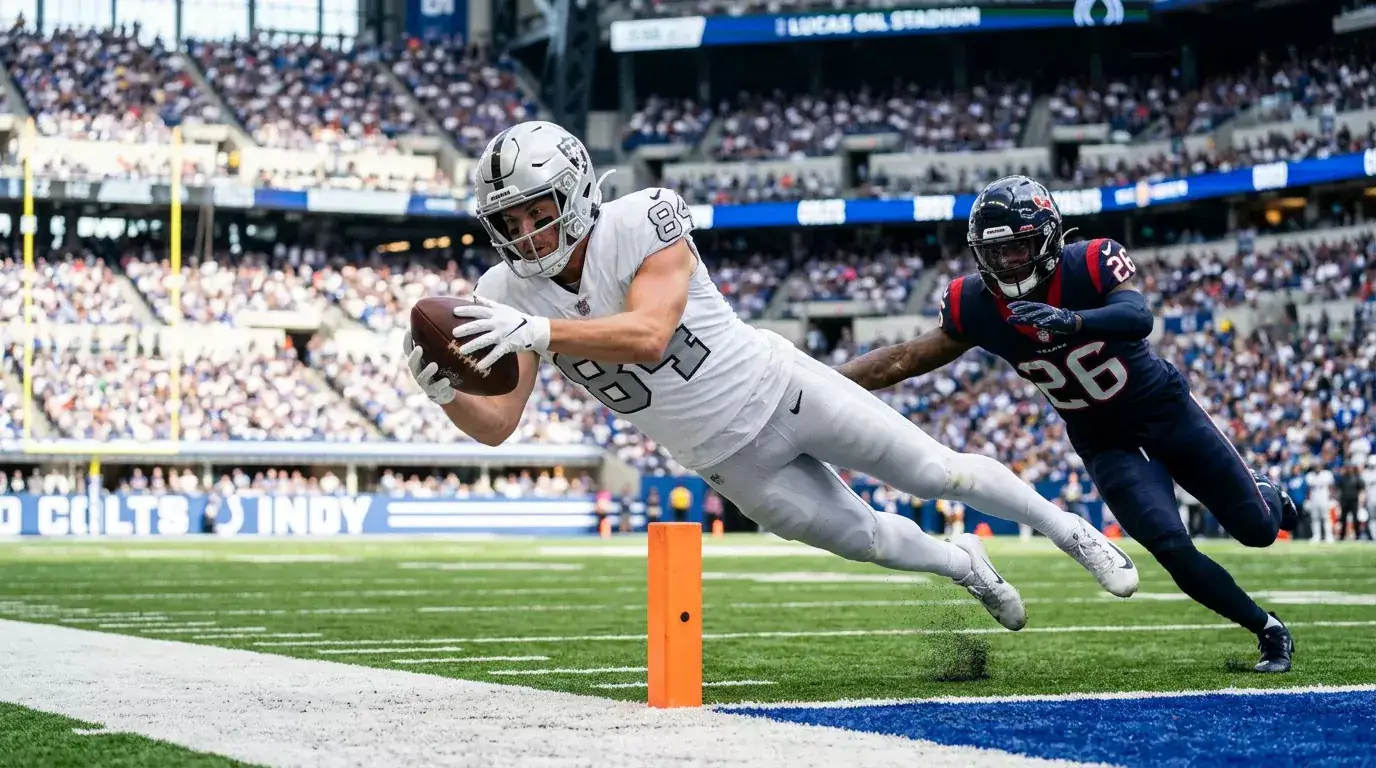
Injury news is the single biggest mover of NFL player prop lines, capable of swinging a market dramatically in minutes when a key player is ruled in or out. A star receiver sitting out doesn’t just remove his own props from the board, it lifts the lines of his teammates who’ll absorb his targets and changes the matchup for everyone on the field. Understanding how this information flows, and how the lines react to it, is one of the most practical skills in prop betting, because timing your bet relative to the news is often worth more than picking the right player in the first place.
Explore nfl side bets for injury-driven NFL tips.
The NFL injury report and how to read it
The NFL runs one of the most structured injury-disclosure systems in sport, and learning to read it is the closest thing prop betting has to insider information that’s freely available to everyone. The report tells you, in a standardised vocabulary, exactly how likely each listed player is to play.
Through the week, teams must report players’ practice participation and assign game-status designations that escalate in seriousness, from a player who’s questionable and genuinely uncertain, to one who’s doubtful and unlikely to feature, to one ruled out entirely. The crucial detail for a bettor is the timing: the most decisive news, the final inactive lists confirming exactly who will and won’t play, lands roughly ninety minutes before kickoff, which is why the period just before a game is the most volatile for prop lines. A player listed as questionable all week creates uncertainty that the bookmaker prices cautiously, and the moment that uncertainty resolves, when he’s confirmed in or out, the relevant lines lurch to reflect the new reality. The bettor who knows the reporting rhythm, the practice reports through the week and the inactive lists before kickoff, knows exactly when the market is about to move and can position accordingly. This is the same live-information dynamic that drives in-play betting once the game starts, and the guide to live and in-play NFL props covers how the lines keep reacting to events after kickoff.
The ripple effect across a roster
The mistake most bettors make with injury news is thinking only about the injured player, when the real value lies in the ripple effect across his teammates. When a key player is ruled out, the opportunity he leaves behind has to go somewhere, and tracking where it goes is where the sharp money is made.
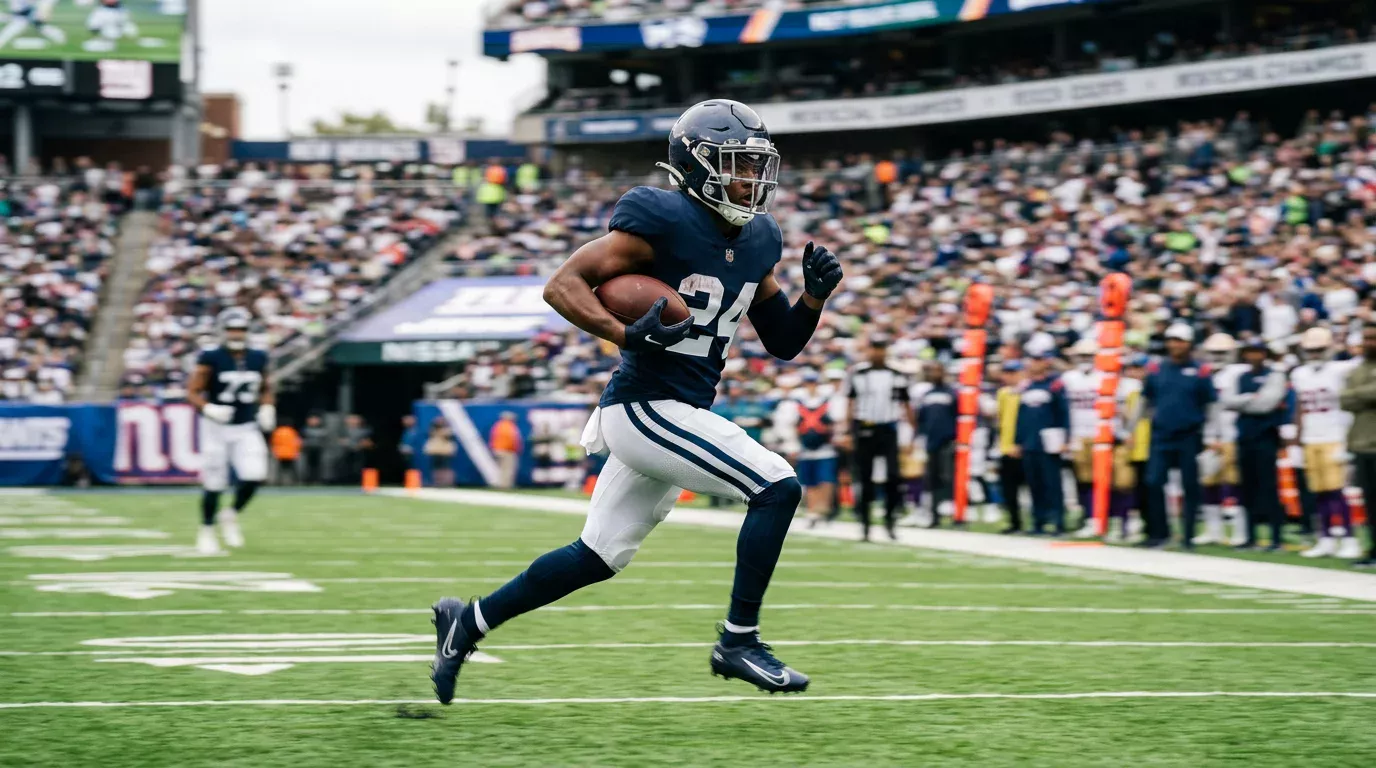
If a team’s primary receiver is ruled out, his targets don’t vanish, they redistribute to the other receivers and the tight end, whose receiving lines should rise to reflect the bigger role they’re about to play. If the lead running back sits, his backup inherits a workload that can transform a modest rushing line into a strong over. The bookmakers adjust these secondary lines when the news breaks, but they don’t always adjust them fully or fast enough, and the gap between the news landing and the line fully reflecting it is the window a quick bettor exploits. The volume of attention on these markets is huge, with around 1.2 million people searching for NFL each month in the UK, much of that traffic spiking around team news, which means the lines move fast once word spreads but there’s a genuine edge in the minutes before the crowd catches up. With around 24.4 million active online betting accounts across licensed UK operators, a meaningful piece of injury news reaches a vast audience almost at once, and that sheer weight of money is exactly why a secondary line can lurch within minutes of a star being ruled out. The discipline is to think one step beyond the headline: not “the star is out” but “whose numbers does that star’s absence inflate, and has the bookmaker priced it yet”. That second question is where the money is.
Timing your bet around the news
Knowing that injury news moves lines is only half the skill, the other half is deciding when to bet, and that decision turns on whether you think you know something the market hasn’t fully priced. There’s a real tension between betting early for a better price and betting late for better information, and resolving it is the art of the thing.
Betting early, before the news firms up, gets you a line set under uncertainty, which can be a bargain if you have a strong read on how a questionable player’s status will resolve, but a trap if the news goes against you, as it did to me on that Saturday night. Betting late, after the inactive lists confirm everything ninety minutes before kickoff, gives you certainty but at a price that’s already adjusted, so the obvious value is gone. The sweet spot is betting on the secondary effects in the narrow window after the news breaks but before the market has fully digested it, backing the teammate whose role just expanded before his line catches up to his new reality. This demands that you’re watching the report rather than glancing at it, because the edge exists only for as long as the crowd hasn’t reacted. The bettors who do this well treat the injury report as a live feed rather than a weekly chore, and they place their bets in response to specific news rather than days in advance on a hunch that a status report can demolish overnight.
Betting with the report open
Injury news is the engine that drives player prop lines, and the bettor who treats the report as central rather than incidental holds a real advantage over the one who ignores it. The news doesn’t just affect the injured player, it ripples across his teammates, lifting the lines of those who’ll absorb his role, and the timing of when it lands shapes when the market moves.
React to late scratches with live in-play NFL props.
So make the injury report part of your routine, not an afterthought. Learn the reporting rhythm, watch for the practice designations through the week and the inactive lists before kickoff, and think one step beyond each headline to the teammates whose numbers a key absence inflates. Position yourself in the window after the news breaks but before the crowd reacts, and accept that betting days early on a questionable player is a gamble on a status report you can’t control. Bet with the report open, react to real news rather than guesses, and you’ll never again wake up to find your line ruined while you slept.
The biggest moves come roughly ninety minutes before kickoff, when teams release their final inactive lists confirming exactly who will and will not play. Practice-participation reports through the week create gradual uncertainty that bookmakers price cautiously, but the decisive lurch happens when that uncertainty resolves at the inactive deadline. This is why the period just before a game is the most volatile for player props, and why the reporting rhythm is worth knowing in advance. Look beyond the injured player to his teammates. His targets or carries do not disappear, they redistribute to the other players in his role, whose lines should rise to reflect their expanded workload. Bookmakers adjust these secondary lines when the news breaks but not always fully or instantly, so the value lies in backing the teammate whose role just grew before the market fully prices it. Think one step past the headline, from who is out to whose numbers that absence inflates.When does NFL injury news move prop lines the most?
How should I bet when a star player is ruled out?
Prepared by the nfl Side Bets editorial staff.