Rushing and Receiving Yardage Props
 Available in US
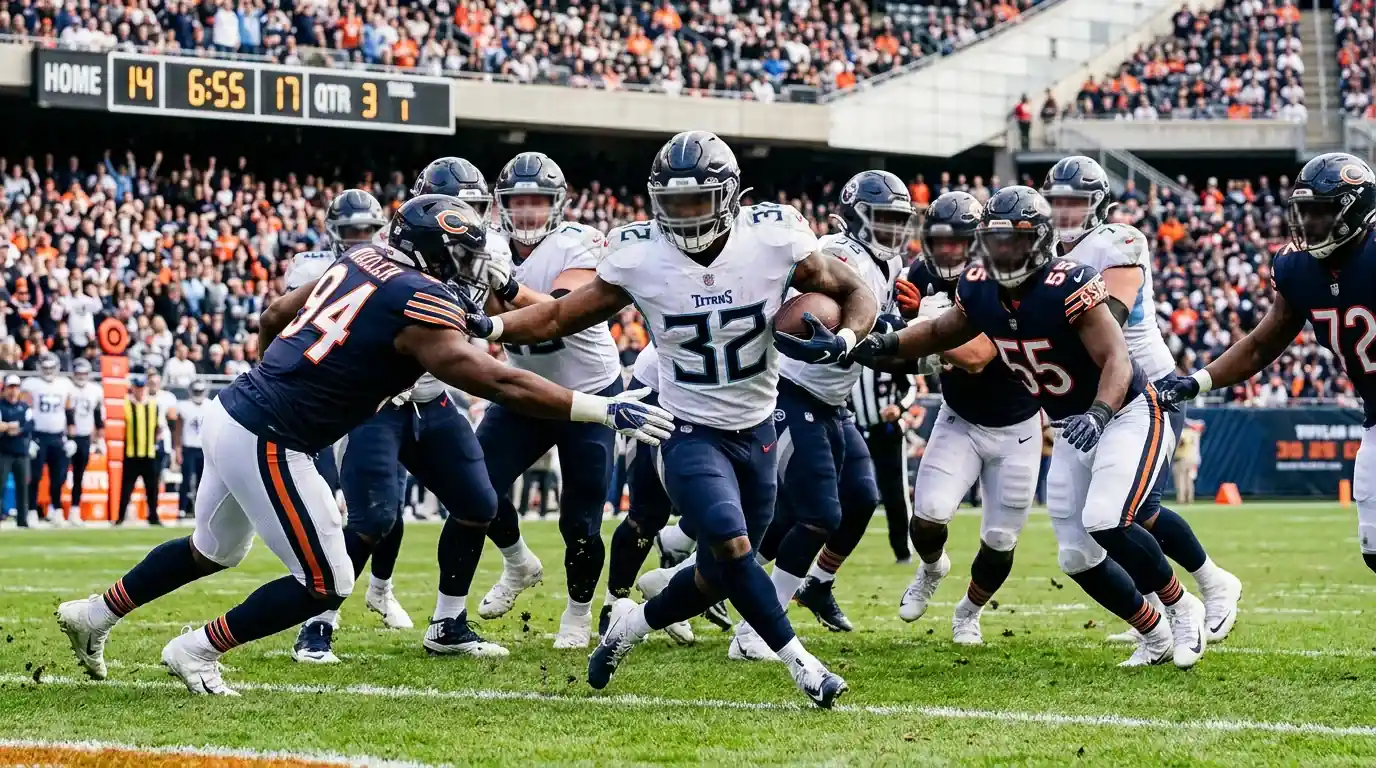
The bet that taught me to love rushing props was a quiet under on a star running back facing the best run defence in the league. Everyone was piling on his over because he was a household name, the line looked beatable, and the defence proceeded to bottle him up for 38 yards on a line of 71.5. I won comfortably, and I realised that the skill-position yardage markets reward the bettor who studies matchups over the one who backs reputations. That lesson has paid for itself many times since.
Rushing and receiving yardage props are over/unders on how many yards a player gains on the ground or through the air in a single game. A running back has a rushing line, a receiver has a receiving line, and pass-catching backs and tight ends often have both. You back the player to beat the number or fall short, exactly like a passing prop but applied to the players who carry and catch rather than throw. These markets are where matchup knowledge translates most directly into an edge, because a single defensive weakness or a specific game plan can swing a player’s yardage dramatically, and the bookmaker can’t always price every nuance.
Visit nfl side bets for all NFL yardage props.
Reading rushing yardage lines
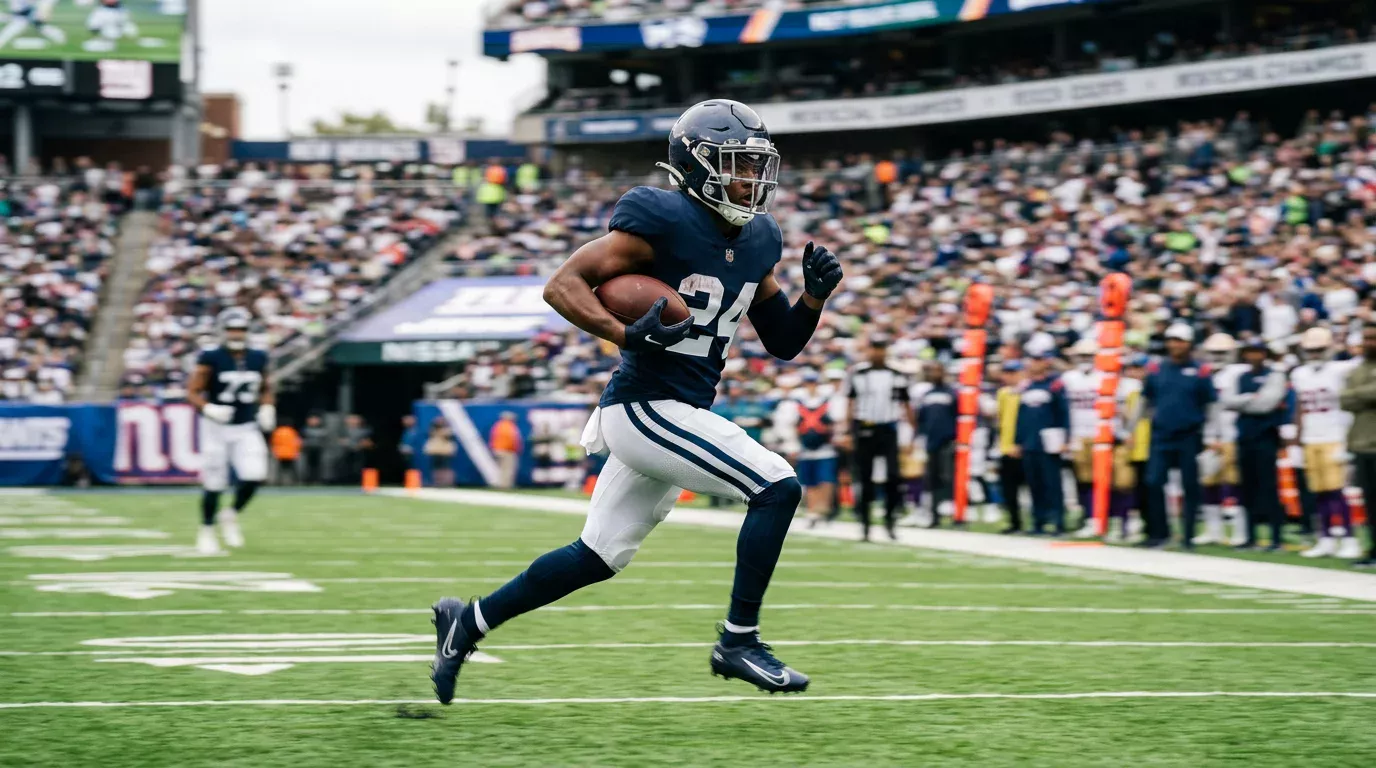
A running back’s rushing line is a bet on workload as much as ability, and that’s the insight that unlocks the whole market. A back can be brilliant and still fall short of his line if his team doesn’t give him the carries, and a modest back can clear his line easily if the game script feeds him the ball all afternoon.
The line itself reflects the back’s expected carries, his yards-per-carry against the opposing front, and the game flow, condensed into a number that for a feature back often sits somewhere in the sixties to nineties. What moves it is opportunity. A team expected to lead will run heavily in the second half to protect the lead and drain the clock, handing its back a volume of carries that lifts his realistic yardage well above the line. A team expected to trail will abandon the run early to throw and catch up, starving its back of the carries he needs and making the under the value side regardless of his talent. The opposing run defence sets the efficiency, how many yards each carry is likely to yield, with some fronts surrendering chunk runs and others swallowing everything between the tackles. The bettor who reads game script first and reputation second, as I learned the hard way, finds the rushing market one of the more beatable on the board, because the public so reliably backs the big name’s over without checking whether the game plan will actually feed him.
The receiving market’s hidden volatility
Receiving yards come with a volatility that catches a lot of bettors out, because a receiver’s afternoon can swing on a single deep ball in a way a running back’s rarely does. Understanding that lumpiness is essential to betting the market sensibly rather than getting whipsawed by it.
A receiver’s yardage is built from a smaller number of larger chunks than a back’s, so a single 60-yard catch can blow an under to pieces while a quiet first three quarters can sink an over that looked safe at halftime. This makes receiving props inherently more variable, and the smart approach is to factor that volatility into how you bet rather than pretending it isn’t there. The factors that drive the market are the receiver’s expected targets, his role in the offence, the coverage he’s likely to face, and crucially the game script, since a team chasing points will throw constantly and lift every receiver’s volume. Pass-catching running backs and tight ends are a particular hunting ground, because their receiving lines are often set conservatively and a favourable matchup can see them sharply exceeded. The breadth of these markets across the NFL board is considerable, and the engaged UK audience sustains a deep, liquid market in them, with the fanbase now around 14.3 million people supporting prices on every meaningful skill-position player every week. The bettor who respects the variance, leaning toward situations where volume is robust rather than dependent on one big play, navigates this market far better than the one who treats receiving yards as if they accumulate as smoothly as rushing yards do. The same analytical foundation that governs the quarterback market applies directly here, and the guide to quarterback passing yardage props sets out the volume-and-game-script approach that underpins all of these yardage bets.
Combining matchup and game script
The bettors who consistently beat the yardage markets all do the same thing: they layer matchup quality on top of game script, rather than relying on either alone. A great matchup in the wrong game script is a trap, and a modest matchup in the right script is an opportunity, and seeing both at once is the whole skill.
Picture a back with a soft run-defence matchup whose team is a heavy underdog. The matchup says back the over, but the game script says his team will be throwing all afternoon to chase the deficit, starving him of carries, so the matchup edge evaporates and the under becomes the real value. Now flip it: a back facing a tougher front but whose team is favoured to lead and run out the clock. The matchup looks unappealing, but the volume from a run-heavy second half can carry him past his line anyway. Receivers work the same way in reverse, with the chasing underdog’s pass-catchers often the value overs precisely because the game script forces volume their way. This is why I never bet a yardage prop on matchup alone, the matchup tells you the efficiency, the game script tells you the volume, and yardage is the product of the two. Get both pointing the same way and you’ve found a strong bet. When they conflict, the game script usually wins, because opportunity beats efficiency over a full game, and that single principle has saved me from more bad overs than any other.
Where yardage betting rewards the patient
Rushing and receiving props are the most matchup-driven markets in NFL side betting, beatable by the bettor willing to study game script and defensive weakness rather than back the famous name. Rushing yards turn on workload and run-defence quality, receiving yards add a layer of volatility from their lumpier accumulation, and both are governed by the interaction of matchup and game flow.
So do the unglamorous work. Read the game script to gauge volume, weigh the matchup to gauge efficiency, respect the extra variance in the receiving market, and have the discipline to back the under on a star when the game plan won’t feed him. The yardage markets won’t reward a hunch the way a touchdown longshot occasionally does, but they will reward patient analysis week after week, which is exactly why they’re where I do most of my serious betting. The quiet under on the household name remains one of the most satisfying bets in the sport, precisely because so few people are willing to make it.
Factor in NFL injury news before backing rushing and receiving totals.
Almost certainly because he did not get enough carries. A rushing line is as much about workload as ability, and if his team fell behind early and had to throw to catch up, he would have been starved of the carries needed to reach his number, however well he ran on the touches he got. This is why reading the likely game script matters more than the back’s reputation, opportunity drives yardage over a full game, and a great back in a pass-heavy script will often fall short. Generally yes, because receiving yards accumulate in larger, lumpier chunks. A single long catch can blow an under apart, while a quiet stretch can sink an over that looked safe, so the market carries more game-to-game volatility than rushing yards, which build up more steadily across many carries. The sensible response is to favour situations where a receiver’s volume is robust, driven by a high target share or a chasing game script, rather than dependent on one big play landing.Why did my star running back miss his rushing line in a game he played well?
Are receiving yards harder to predict than rushing yards?
Written by the editors at nfl Side Bets.