Betting Props Through the NFL Playoffs
 Available in US
The playoffs are where I make my best bets and my worst, often in the same weekend. The football is at its highest stakes, the matchups are between the season’s strongest teams, and the props behave subtly differently from the regular season in ways that catch out bettors who don’t adjust. I’ve learned to treat January as its own betting season, with its own rhythms, rather than as a continuation of the autumn.
Betting props through the NFL playoffs means navigating a stretch where the markets tighten, the matchups sharpen, and the road narrows from a dozen teams to the two who reach the Super Bowl. The props are the same in name, the touchdown scorers and yardage lines you know, but the context changes everything: defences are better, game plans are more conservative early, and every team left is genuinely good. Understanding how the postseason reshapes these markets is what turns playoff betting from a guessing game into the most rewarding month of the NFL calendar.
How playoff football changes the props
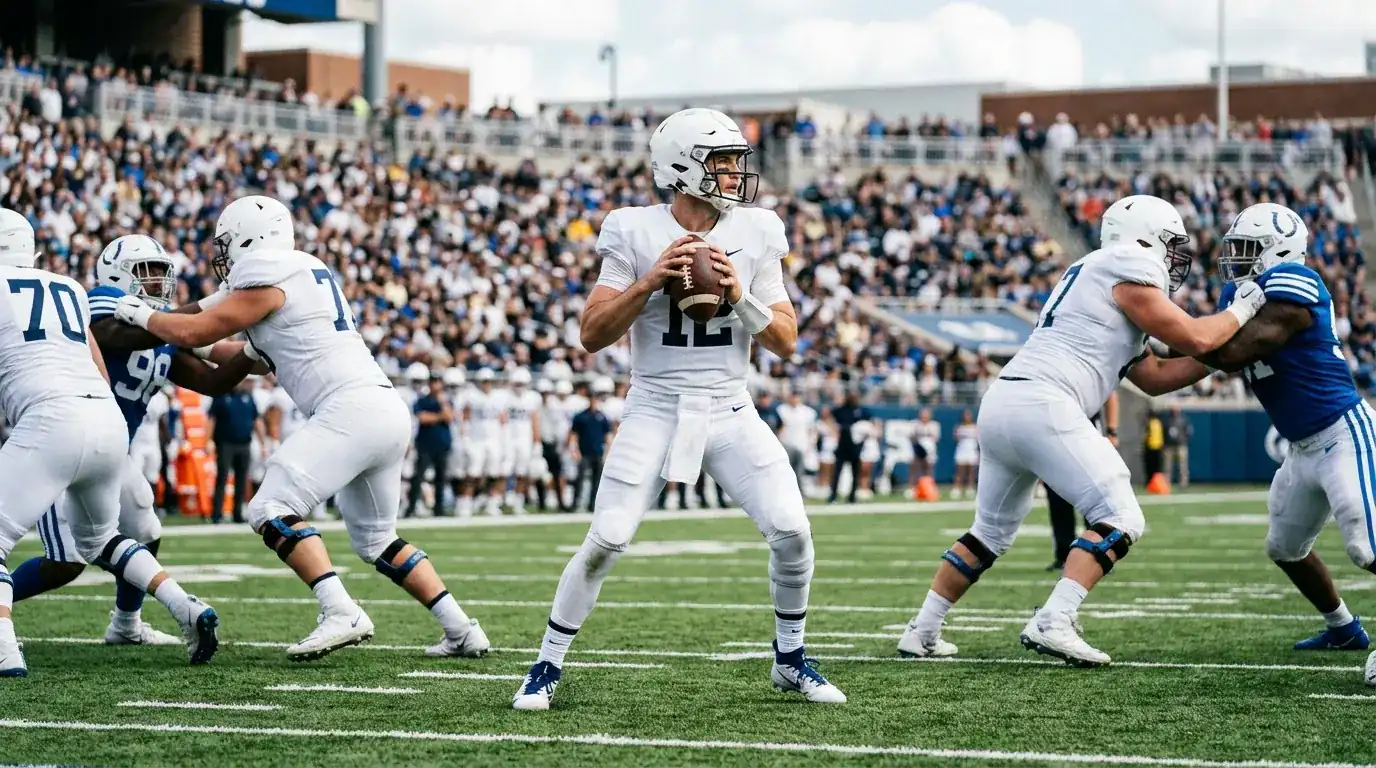
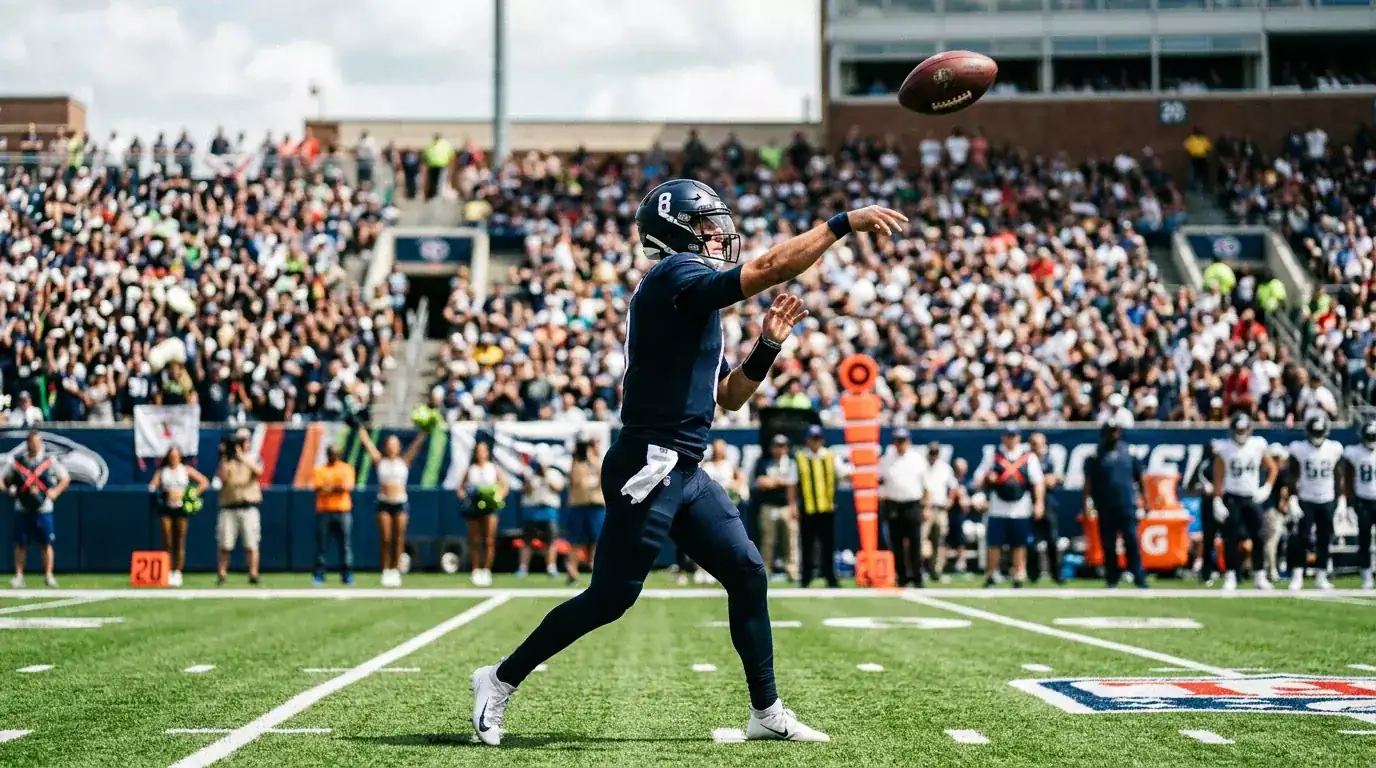
The first thing to internalise is that playoff football is not regular-season football with bigger trophies, it’s a tighter, more cautious, more defensive game, and the props reflect that shift. Betting the postseason as if it were just more of the autumn is the classic mistake.
In the playoffs, every team remaining has earned its place, so the soft matchups that inflate regular-season props largely disappear, and the defences are uniformly tougher. Coaches tend to be more conservative early, wary of the mistakes that end a season in a single game, which can suppress the fast starts that first-touchdown bettors rely on and keep early scoring lines lower than the regular-season equivalent. Star players see heavy usage because there’s no resting starters for the future when the future is now, which supports the volume-driven yardage props for the genuine workhorses. The intensity draws enormous engagement, and the UK audience leans in hard, with the fanbase now around 14.3 million people and interest spiking sharply as the bracket narrows toward the Super Bowl. The bettor who adjusts, expecting tighter games, tougher matchups, and heavier reliance on the stars, reads the playoff props far better than the one who simply carries over regular-season assumptions into a fundamentally different kind of football.
The rounds and how they differ
Each playoff round has its own character, and the props shift as the field narrows, so betting the wild-card weekend is a different exercise from betting the conference championships. Knowing how the stages differ lets you calibrate your expectations round by round.
The wild-card round throws the most games at you, with the widest range of team quality still present, which means it most resembles the regular season and offers the most mismatches to exploit before the field tightens. By the divisional round, the weaker teams have gone, the matchups are sharper, and the props are priced for genuinely strong teams facing each other. The conference championships bring the four best teams remaining, where the games are typically close, the margins fine, and the props reflect two excellent sides cancelling each other out, so the value lies in nuance rather than mismatch. Then comes the Super Bowl, a category of its own, with a two-week build-up and a prop board that swells to well over 400 distinct markets, the deepest and most heavily bet event of the entire calendar. The progression matters for how you bet: hunt mismatches early in the bracket, lean on game-script and matchup nuance as the field strengthens, and treat the Super Bowl as the unique two-week research project it is. The timing of when each round’s markets open follows its own logic, and the guide to when Super Bowl props go live maps out how the showpiece board unfolds.
Finding value as the field narrows
The paradox of playoff betting is that the better the teams get, the harder the value is to find, because the bookmakers price strong, evenly-matched teams more accurately than they price regular-season mismatches. The edge has to come from somewhere subtler as the bracket shrinks.
Early in the playoffs, the value resembles the regular season, in the matchup mismatches and game-script reads that move yardage and scoring props, and a wild-card weekend still offers spots where one team is meaningfully stronger than the price suggests. As the field narrows, those gross mismatches vanish and the value migrates to finer judgements: how a specific defence will handle a specific receiver, whether a conservative coach will keep a game low-scoring, how the heavy usage of a workhorse back plays against a tough front. The bettors who do well deep in the playoffs are the ones who watch the football closely enough to see these nuances, rather than relying on the obvious edges that the postseason strips away. There’s also a discipline point, because the stakes and the drama tempt people to bet more than they should on the biggest games, and the engaged UK market, where only around 0.5 percent of players fall into the high-risk problem-gambling bracket, stays healthy precisely because most bettors keep their playoff enthusiasm within sensible limits. The football gets better as January wears on. The betting gets harder. Both are reasons to slow down and bet with more care, not less.
Betting the season’s sharpest end
The NFL playoffs are the most rewarding and most demanding stretch of the betting year, a tightening road where the football peaks and the props demand a sharper eye than the regular season ever did. Adjust for the tougher defences, the conservative early game plans, and the heavy reliance on stars, and you’ll read the postseason markets the way they deserve to be read.
So treat January as its own season. Hunt the mismatches while they last in the wild-card round, lean on matchup and game-script nuance as the field strengthens, and approach the Super Bowl as the singular two-week event it is. Above all, let the rising stakes make you more disciplined rather than less, because the temptation to chase the drama is strongest exactly when the betting is hardest. Bet the playoffs with care and adjustment, and they’ll give you the best month of the NFL year. Bet them on autumn autopilot, and they’ll quietly take your bankroll apart.
The markets carry the same names, but the context shifts significantly. Every remaining team is genuinely strong, so the soft matchups that inflate regular-season props largely disappear and defences are uniformly tougher. Coaches tend to be more conservative early, which can suppress fast starts and keep early scoring lines lower, while star players see heavy usage because nobody is resting starters. The sensible adjustment is to expect tighter, lower-variance games and to lean on the genuine workhorses for volume-driven yardage props. Early in the bracket, on the wild-card weekend, the value resembles the regular season, in matchup mismatches and game-script reads, because a wider range of team quality is still present. As the field narrows to the divisional round and conference championships, gross mismatches vanish and the value migrates to finer judgements, such as how a defence handles a specific receiver or whether a conservative coach keeps a game low-scoring. Deep in the playoffs, close watching of the football beats relying on obvious edges the postseason strips away.Do NFL player props change in the playoffs?
Where is the value in playoff prop betting?
Created by the ”nfl Side Bets” editorial team.