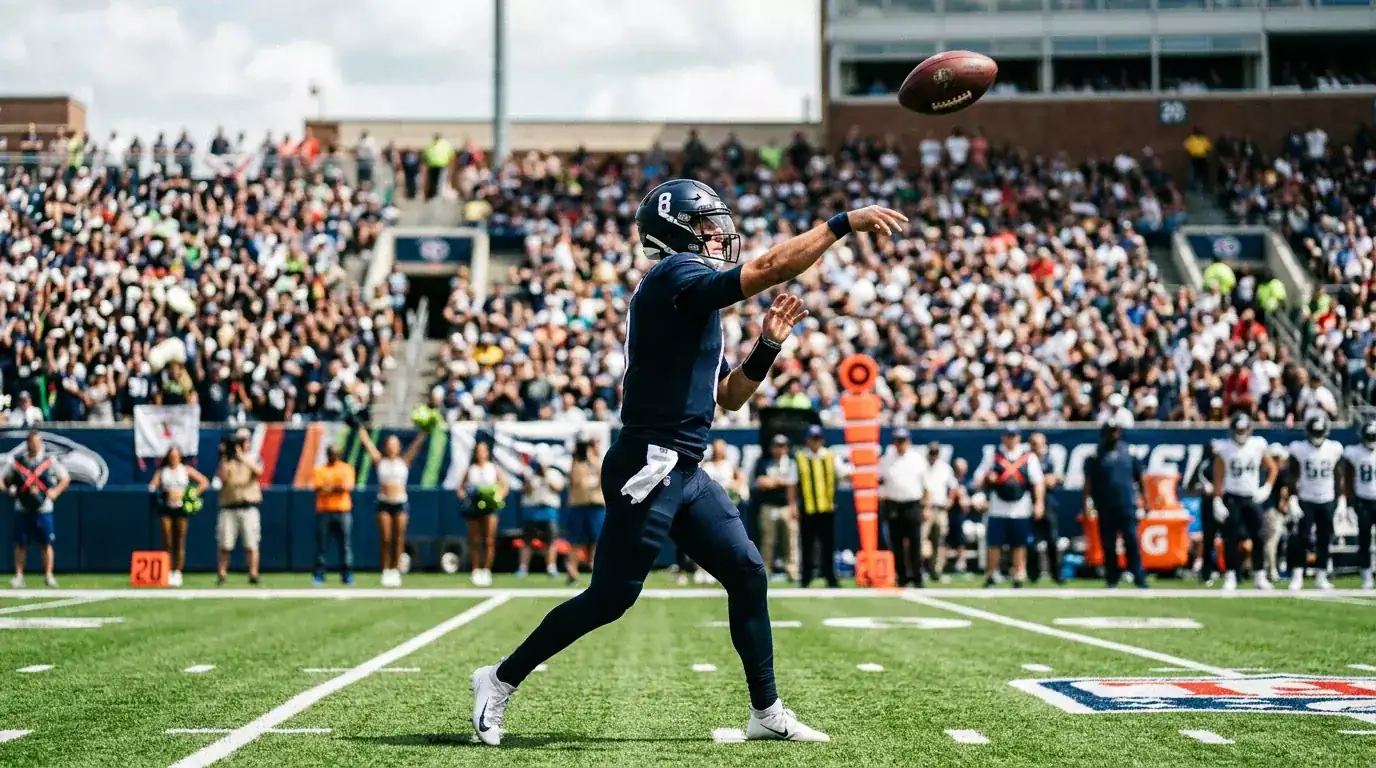
First Touchdown Scorer Betting
 Available in US
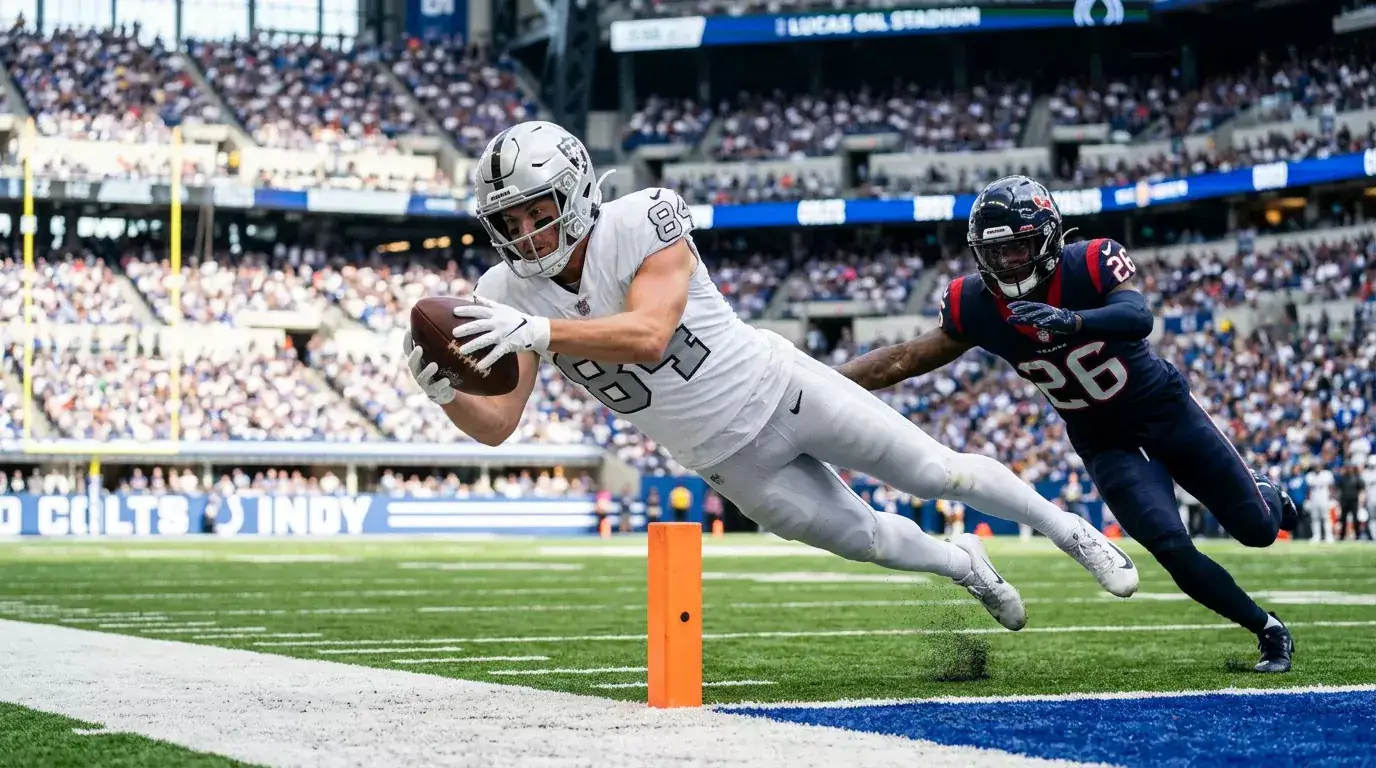
The first time a first touchdown scorer bet landed for me, my player crossed the line about four minutes into the game, and the rest of the afternoon was pure profit watching with nothing at stake. The first time one lost, my man scored a beautiful touchdown in the second quarter and it meant precisely nothing, because someone else had got there first. That contrast captures everything you need to know about this market: timing is the entire game.
First touchdown scorer betting asks a deceptively narrow question, which player will score the very first touchdown of the match. Only the opening score counts, so a player can score three times and still lose you the bet if another player got into the end zone before him. It’s the same family as the anytime scorer market but with a single, brutal twist of timing that completely changes the odds, the strategy, and the kind of player worth backing. Understanding that twist is the difference between treating this as a fun longshot and treating it as a genuine edge.
Visit nfl side bets for NFL scoring props.
Why the odds are so much longer
The most striking thing about this market, the first thing any bettor notices, is how much longer the prices are than for the anytime version of the same player. A back who’s odds-on to score at any point might be several times the price to score first, and that gap lays the nature of the bet bare.
The reason is pure probability. To score anytime, your player just needs to find the end zone once across the entire game, sixty minutes of opportunity. To score first, he has to beat every other player on both teams to the very first touchdown, a single specific event that only one player in the whole match can win. That’s a far narrower target, so the odds lengthen accordingly, and the longer price is the bookmaker pricing in how many ways the bet can miss. A great many first touchdown bets lose not because the player had a bad game but because the timing simply didn’t fall his way, which is why this market carries more variance than almost any other. The flip side is that the longer prices make it attractive to bettors hunting a bigger return from a small stake, and the appeal is broad, with around 1.2 million people searching for NFL each month in the UK feeding a healthy market in these longshot-flavoured bets. Just go in clear-eyed that you’re paying for the timing constraint with a lower strike rate, and the longer odds are compensation for exactly that.
The players who actually open the scoring
Here’s where first touchdown betting gets genuinely interesting, because the players most likely to score first aren’t always the obvious stars, they’re the players whose teams script the early drives around them. Working out who opens the scoring is a different exercise from working out who scores at all.
Early-game touchdowns tend to come from the players a team leans on in its opening sequences, the lead running back who carries the early-down workload, the primary receiver who’s the quarterback’s first read, the goal-line threat if the opening drive stalls near the line. Teams often script their first dozen or so plays in advance, which means the players featured early are somewhat predictable if you follow how a team likes to start. There’s also the matter of which team is likely to score first at all, since the first touchdown can only come from one side, so backing a player on the team you expect to strike early stacks the odds in your favour. And the historical pattern is worth knowing: around 40 percent of first touchdowns in Super Bowls have come through the air, a reminder that receivers open the scoring nearly as often as runners, so confining yourself to goal-line backs leaves value on the table. The bettors who do well here think in two layers, which team scores first and which player on that team is the early-script focus, rather than simply grabbing the biggest name.
When the first-score bet beats the anytime bet
People often ask me whether they should bet first or anytime, and my honest answer is that it depends entirely on what you’re trying to do, because the two markets reward completely different things. Neither is better in the abstract, they’re tools for different jobs.
The anytime market is the percentage play, the one I lean on when I simply think a player is likely to score and I want a reasonable chance of a return. The first scorer market is the value play, the one I reach for when I have a specific read on how a game will open, a team I expect to strike early and a clear sense of which player they’ll feature, and I want the longer price that conviction deserves. If your insight is about the whole game, bet anytime. If your insight is specifically about the opening sequences, the first scorer market lets you express it at far better odds. The mistake is betting first scorer purely because the price looks bigger, without any read on the early game, because then you’re just buying the variance without the edge that justifies it. Used well, with a genuine view on how the match begins, the first touchdown market offers some of the best value on the whole NFL board, and it pairs naturally with the broader, higher-strike-rate approach laid out in the guide to the anytime touchdown scorer market.
Betting the opening whistle
First touchdown scorer betting is the anytime market with the difficulty turned up and the rewards raised to match, a bet won or lost on timing as much as talent. The long prices are honest compensation for a narrow target, and the players worth backing are the ones their teams build the early script around, not necessarily the biggest names on the board.
Compare with NFL anytime touchdown scorer for a lower-risk alternative.
So treat this as a market for conviction rather than hope. Back it when you have a real read on which team strikes first and which player they’ll lean on early, take the generous price that read earns you, and accept the higher variance as the cost of the better odds. Get the opening sequences right and you’ll be the bettor watching the rest of the game with the bet already won, which remains one of the great feelings in NFL betting, four minutes of tension followed by an afternoon of calm.
Because the target is far narrower. To win an anytime bet, a player only needs to score once across the whole game. To win a first scorer bet, he has to beat every other player on both teams to the very first touchdown, a single event only one player in the entire match can claim. That much tighter requirement means the bet misses more often, even when the player has a good game, so the bookmaker offers a longer price to reflect the lower chance of success. It depends on your read. The anytime market is the higher-strike-rate percentage play, best when you simply expect a player to score at some point. The first scorer market is the value play, best when you have a specific view on how the game will open, a team you expect to strike early and a clear sense of which player they will feature. Back first scorer only when that early-game read is genuine, because otherwise you are paying for the longer odds without the edge that justifies them.Why is the first touchdown scorer price longer than the anytime price?
Should I back a player to score first or anytime?
Published by the nfl Side Bets team.